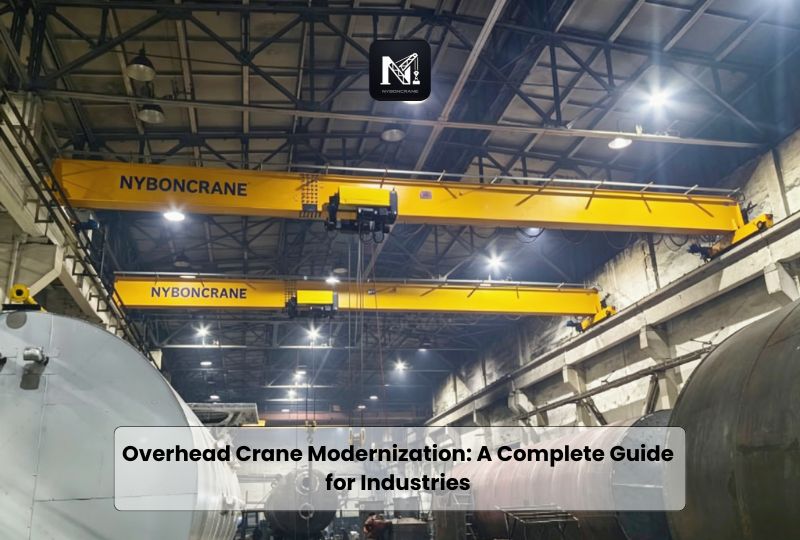
An overhead crane can stay in service for decades if the structure is sound. But motors wear out. Controls become outdated. Safety standards move forward while the crane stays the same. This is where modernization comes in.
Overhead crane modernization means upgrading the parts of a crane that have aged, without replacing the whole system. It keeps the strong structural base and adds newer technology on top of it. Many facilities choose this route because it costs less than a full replacement and takes far less time to complete.
What Is Overhead Crane Modernization
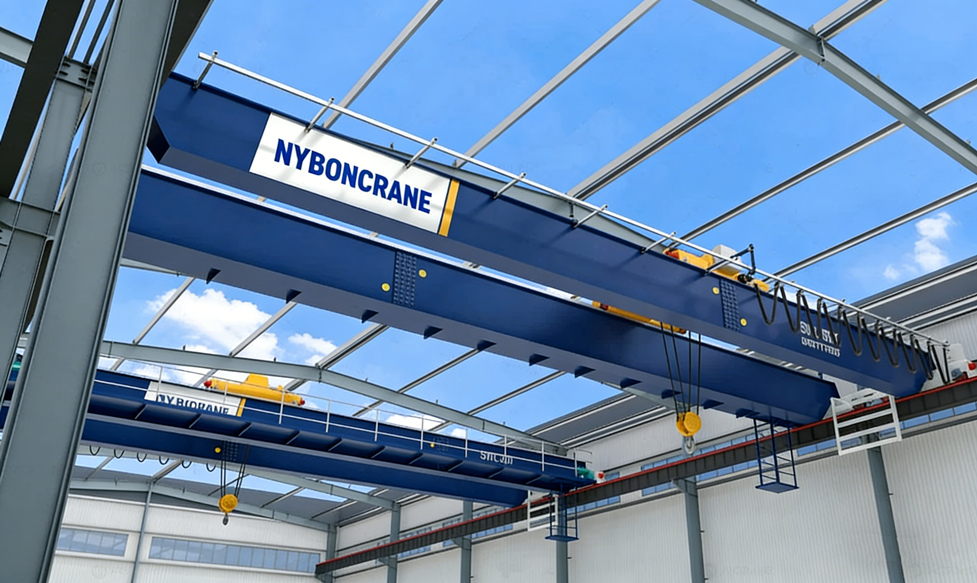
Modernization is the process of upgrading specific systems on an existing crane. This includes the electrical controls, the hoist, the drive system, or the safety features. The bridge girder and runway structure often stay in place, since steel structures typically outlast the mechanical and electrical parts by many years.
A modernization project can be small, such as swapping a manual control panel for a wireless remote. Or it can be large, covering the drive system, hoist, wiring, and safety devices in one project. Facilities usually choose the scope based on budget, downtime tolerance, and how much of the original system is still reliable.
Modernization vs Replacement
Replacing a crane means buying a new unit and removing the old one. This costs more and takes longer, since a new crane needs design approval, manufacturing, shipping, and installation.
Modernization works with what you already have. If the bridge and runway are structurally sound, there is often no reason to replace them. Upgrading the drive, hoist, and controls can bring the crane close to the performance of a new one, at a fraction of the cost and downtime.
Replacement makes more sense when the structure itself shows fatigue cracking, corrosion damage, or has outgrown the required load capacity by a wide margin. In most other cases, modernization is the more practical choice.
Signs Your Overhead Crane Needs Modernization
A crane rarely fails all at once. Problems usually build up gradually and show themselves through small, repeated signals. Watch for these patterns.
Frequent breakdowns and rising repair costs. If the maintenance team is fixing the same crane every few weeks, the cost of constant repair often exceeds the cost of an upgrade.
Outdated or unsupported controls. Older relay-based control systems are harder to source parts for. If the manufacturer no longer supports a component, that is a strong signal to modernize.
Inconsistent motion or speed. Jerky starts, uneven acceleration, or drifting during travel usually point to worn drive components or outdated motor controls.
Safety gaps. Missing overload protection, weak limit switches, or the absence of anti-collision systems put operators at risk and may fall short of current standards.
Production demands have changed. If your facility now needs faster cycle times, higher lifting capacity, or automation, an older crane may simply not keep up.
Age of the equipment. Cranes over 20 to 30 years old were often built to older safety and efficiency standards, even if they still run.
Components Typically Upgraded During Modernization
Control Systems
This is usually the highest-impact upgrade. Replacing old contactor-based controls with a Variable Frequency Drive, known as a VFD, gives smoother acceleration and deceleration. It reduces mechanical stress on the hoist and bridge, cuts energy use, and makes load handling more precise. Adding a Programmable Logic Controller, or PLC, allows the crane to run more advanced logic, including automated sequences and diagnostic alerts.
Wireless and Radio Controls
Swapping a pendant control for a wireless radio remote lets the operator move to a safer position and get a clearer view of the load. Many radio systems also support customizable buttons for repetitive tasks.
Hoist and Drive Upgrades
Older hoists can be replaced with modern wire rope or electric hoists that offer better speed control, lower maintenance needs, and higher duty cycle ratings. This is especially useful when production volumes have grown since the crane was first installed.
Safety Systems
Modern modernization projects commonly add overload protection, anti-sway control, geofencing or protected zones, and anti-collision sensors for facilities running multiple cranes on the same runway. These features reduce accident risk and support compliance with current safety standards.
Structural Assessment and Reinforcement
Before any electrical or mechanical work begins, a structural review checks the girder, end trucks, and runway for fatigue and wear. In most cases the structure needs only minor reinforcement, since it was built with a long service life in mind.
Smart Diagnostics and Remote Monitoring
Sensors that track motor temperature, vibration, and duty cycle allow maintenance teams to catch problems before they cause downtime. This shifts maintenance from reactive to predictive, which saves both time and repair costs over the life of the crane.
Benefits of Overhead Crane Modernization
Modernization delivers value across several areas of a facility’s operation.
- Lower cost compared to a full crane replacement
- Shorter project timeline and less production downtime
- Improved safety through updated protection systems
- Better energy efficiency with modern drives and motors
- Extended service life for equipment that still has a sound structure
- Compliance with current duty class and safety standards
- Reduced maintenance costs over time through predictive diagnostics
Standards to Keep in Mind
Modernization work should always be checked against the duty classification the crane was designed for. For facilities working to Chinese standards, this typically means referencing GB/T 3811 for crane design and GB 6067 for safety requirements, along with the A1 to A8 duty class system used to match the crane’s design to its actual working conditions. Confirming the crane still fits its intended duty class after an upgrade helps avoid overloading components that were not designed for the new demands.
Planning a Modernization Project
A well-planned modernization project usually follows these steps.
- Inspection and assessment. A qualified team reviews the structure, mechanical parts, and electrical systems to identify what needs upgrading and what can stay in service.
- Scope definition. Based on the assessment, the project is scoped around budget, downtime windows, and operational priorities.
- Component selection. Drives, hoists, controls, and safety devices are chosen to match the crane’s duty class and the facility’s production needs.
- Installation. Work is often scheduled during planned downtime to minimize disruption to production.
- Testing and commissioning. Load testing and safety checks confirm the modernized crane performs as expected before it returns to full duty.
Working with a manufacturer that understands both the mechanical and electrical side of crane systems makes this process smoother. Nybon Machinery designs and manufactures overhead and gantry cranes built around current duty class and safety standards, which is useful context when comparing what a modernized system should be able to achieve.
Frequently Asked Questions
How much does overhead crane modernization cost?
Overhead crane modernization typically costs a fraction of a full crane replacement, since the structure and often the bridge girder stay in place. The exact cost depends on scope, ranging from a single control upgrade to a full overhaul of drives, hoist, and safety systems.
How long does a crane modernization project take?
Most modernization projects take days to a few weeks, depending on scope. Control system upgrades can often be completed during a planned shutdown, while larger projects involving hoist replacement or structural work take longer.
Can any overhead crane be modernized?
Most cranes can be modernized if the structure is still sound. A structural inspection is the first step to confirm the girder, runway, and end trucks are not compromised by fatigue or corrosion beyond repair.
What is the difference between modernization and a full overhaul? Modernization usually targets specific systems, such as controls or the hoist, while a full overhaul addresses the mechanical, electrical, and structural systems together. The right approach depends on the age and condition of the crane.
Does modernization improve energy efficiency?
Yes. Replacing older motors and control systems with VFDs and modern drives reduces energy consumption, particularly on cranes that run for long duty cycles throughout the day.
When should a crane be replaced instead of modernized?
Replacement makes more sense when the structure itself shows significant fatigue, corrosion, or when the required load capacity has grown far beyond what the existing structure can safely support.