Smelting Industry

The smelting industry operates in extreme environments where high temperatures and hazardous conditions demand highly specialized lifting solutions

Cranes and Lifting Solutions for Smelting and Molten Metal Handling

Smelting workshops are among the harshest environments a crane will operate in. High temperatures, heavy dust, and the risk of handling molten metal mean the equipment has to be built for continuous heavy duty operation with a wide safety margin, not adapted from a general purpose design.

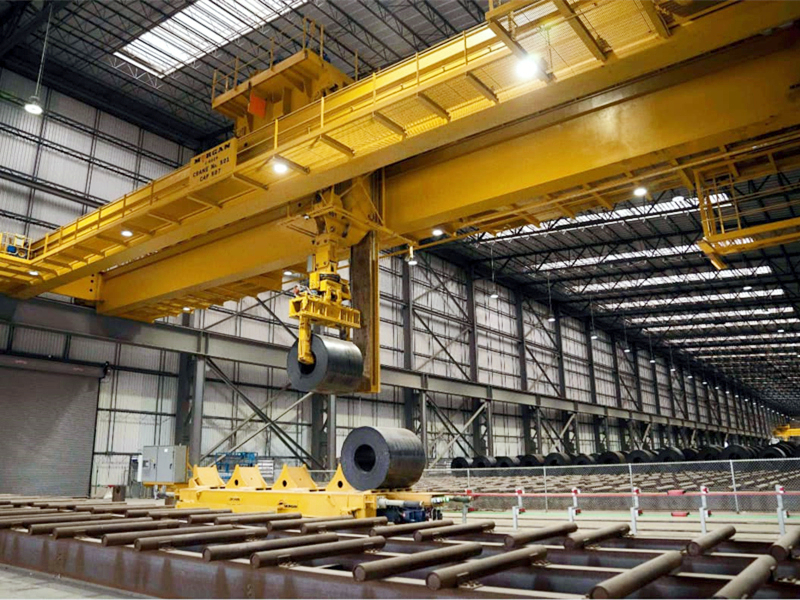
Nybon Machinery‘s double girder overhead cranes are engineered for this kind of duty, configured for charging, ladle handling, and general molten metal transport in smelting and foundry workshops. The bridge structure, hoist mechanism, and electrical components are specified for high ambient heat and dust exposure, with the lifting mechanism rated for the repeated, high load cycles that a smelting bay runs through in continuous production.

An insulated overhead crane is one of the special purpose overhead crane types, built to keep electric current away from the operator and the crane structure. It is common in aluminum smelters, where strong current runs through the potline. Most units start from a standard industrial overhead crane design and add insulation at the points where current could pass through.

This guide covers why insulation is needed, which parts carry it, and what to check before you buy.

Why Smelting Plants Need Insulation

An aluminum smelter runs very large direct current through its electrolytic cells. Current can leak into steel parts that touch the cell, the busbar or the load. A normal crane would carry that current into the runway, the rails and the building frame.

That causes three problems.

  • Shock risk for operators and ground crew
  • Stray current damage to bearings, wheels and rope
  • Arcing at the hook, which burns rope strands and hardware

Strong magnetic fields near the cells can also disturb standard electronics. Control gear in these bays needs proper shielding.

Where the Insulation Is Placed

Insulation is not one single part. It is a chain of breaks that stops current from reaching the crane body.

  • Insulated hook block. The hook is separated from the rope by insulating sleeves or plates, so current cannot travel up the rope.
  • Insulated rope drum or pulley seat. This adds a second break inside the hoist.
  • Insulated trolley wheels or rail seats. They stop current from reaching the runway if the load path is not fully isolated.
  • Insulated operator cabin floor and handrails. These protect the person at the controls.
  • Shielded control cables and panels. They keep the signal clean in a strong magnetic field.

Some designs use double insulation at the hook, with a spare break in case one layer wears out. Ask which layers a supplier fits and how each is tested.

Insulated overhead crane for an aluminum smelting plant

Typical Applications

  • Anode handling and replacement in electrolytic aluminum cell rooms
  • Cell cover and busbar maintenance
  • Moving carbon blocks and ladles in potrooms
  • Electrolysis workshops with other high current equipment

Tasks like crust breaking and tapping call for a crane with extra tools, such as the multifunctional nonferrous metal crane.

Environment and Duty Class

Smelter bays are hot, dusty and full of corrosive fumes. Fluoride compounds from the process attack steel, rope and paint. Sealed motors, protective coatings and dust covers on the electrical gear all help the crane last.

Cell room cranes can work most of every shift. In that case, a higher duty class such as A6 or A7 under GB/T 3811 is worth discussing. GB 6067 covers the general safety rules for the machine. Check the class against your own shift pattern.

How to Inspect an Insulated Crane

Insulation only works while it stays intact. Plan regular checks.

  • Measure insulation resistance with a megohm meter at the hook and other insulated points
  • Look for cracks, carbon dust and oil film on insulating parts, since they create leak paths
  • Replace worn sleeves and plates on schedule
  • Keep records of each test so changes show early

Choosing an Insulated Overhead Crane

Share these details with the supplier.

  • Rated load and working span
  • Cell room layout, ceiling height and runway length
  • Voltage and current level near the cells
  • Number of insulation layers required at the hook
  • Ambient temperature, dust and fume exposure
  • Shift pattern and expected lifts per hour

Nybon Machinery supplies double girder overhead cranes for the smelting industry, with insulation points set to your potline layout. Send your drawings through the contact page and the team can review them.

FAQs

What is an insulated overhead crane?

It is an overhead crane with insulating parts at the hook, drum and other contact points, so electric current cannot pass into the crane body or the operator.

Where are insulated cranes used?

They are mainly used in aluminum smelters and other plants where strong electric current runs near the lifting path.

Which part of the crane needs insulation first?

The hook block comes first, because it touches the load and the cell. Rope drums, wheels and the cabin floor add further breaks.

How often should insulation be tested?

Test it at set intervals, and after any repair near the hook. The plant maintenance plan and the crane supplier should agree on the schedule.

A multifunctional nonferrous metal crane is an overhead crane that does several jobs in one machine. In an aluminum smelter, it can change anodes, break crust, tap metal and lift cell parts. This saves floor space and cuts the number of separate machines in a smelting industry bay.

This guide explains the main functions, the parts that make them possible, and what to check before you choose one.

What the Crane Does in an Aluminum Smelter

Aluminum is made by electrolysis in long rows of cells. Each cell needs regular service. A multifunctional crane carries out most of that service from above.

  • Anode changing: removes used carbon anodes and sets new ones in place
  • Crust breaking: opens the hard crust on top of the bath so alumina can feed in
  • Metal tapping: handles the tapping ladle that draws liquid aluminum from the cell
  • Cell cover and part handling: lifts covers, busbar parts and other cell equipment
  • Material transfer: moves anodes, ladles and spares along the cell line

Copper and other nonferrous smelters also use cranes with several tools, although the tasks differ.

Multifunctional nonferrous metal crane working in a smelting plant

Key Components

  • Main hoist and auxiliary hoists for different tools and loads
  • A trolley that carries the working attachments, such as a crust breaker and an anode handling tool
  • Tool interfaces that allow a quick change between jobs
  • Insulation at the hook and key contact points, as on any insulated overhead crane, because current flows through the potline
  • Precise speed control for placing anodes and aligning tools
  • Dust sealed and heat protected electrics for the cell room

Benefits and Limits

One crane can replace several single task machines. That reduces floor use and the number of units to maintain. Operators also learn one control system.

There are limits. One crane cannot do two jobs at once. If the cell room needs high output, a plant may use several cranes. Tool changes also take time, so plan the task order to cut waiting.

Duty Class and Standards

Smelter cranes work through most of each shift. A higher duty class under GB/T 3811, such as A6 or A7, is worth discussing with your supplier. GB 6067 sets the safety rules for the machine. If your team uses FEM 1.001, map the class to a FEM group.

How to Choose One

  • List every task the crane must perform, with the weight of each tool and load
  • Share the cell room layout, span, rail height and potline length
  • State the current level and the insulation layers you need
  • Define how many cells each crane must serve per shift
  • Note heat, dust and fluoride exposure
  • Plan spare parts for tools that wear fast

Nybon Machinery builds double girder overhead cranes for smelting plants and can match the tool package to your process. Send your layout through the contact page for a proposal.

Plants that also move molten metal in ladles often add a foundry overhead crane to the same bay.

FAQs

What is a multifunctional nonferrous metal crane?

It is an overhead crane fitted with several tools, so it can change anodes, break crust, tap metal and lift parts in a smelter.

Which metals does it serve?

It is mostly used for aluminum smelting. Copper and other nonferrous smelters use similar cranes with tools suited to their process.

Does it need insulation?

In aluminum cell rooms, yes. Strong current runs through the potline, so insulation at the hook and other points protects people and equipment.

Can one multifunctional crane replace several machines?

It can replace many single task machines, but it still works one task at a time, so output depends on how you plan the work.

Smelting Crane Requirements and Standards

What smelting workshops need from a crane

A smelting crane has to lift and move loaded ladles without transferring shock to the load, since a sudden jolt with molten metal in the ladle is a serious safety risk. That means slower, more controlled hoist speeds than a general material handling crane, along with a wider structural safety margin. The crane also needs to tolerate sustained high ambient temperature without derating its lifting capacity, which is why smelting duty equipment is specified differently from a standard workshop crane from the design stage rather than retrofitted later.

Duty class and standards

Smelting and foundry cranes are typically specified to the highest end of the GB/T 3811 and GB 6067 duty classification system, commonly A6 to A7 for continuous heavy load cycling in high temperature conditions. FEM 1.001 equivalents are referenced for buyers working to a European standard.

Nybon Machinery builds its industrial double girder overhead crane range against this duty class band, so plants running continuous smelting operations can specify equipment rated for the actual working conditions of the bay rather than a general industrial rating.

Electric Winch
Electric Winch
Industrial
Industrial
Bridge Crane
Bridge Crane
Crane Trolley
Crane Trolley
Equipment
Equipment
Machinery
Machinery
System
System
Product
Product
Heavy Duty Crane
Heavy Duty
Bridge Machine
Bridge Machine
Machinery Work
Machinery
RTG Crane
RTG Crane
Gantry Crane
Gantry Crane
Overhead Crane
Overhead Crane
Outdoor Crane
Outdoor Crane
Winch System
Winch System

Common Questions

Frequently Asked Questions

Here is why smelting plants work with us:

  • Cranes specified for high heat and dust from the design stage
  • Double girder, insulated and casting crane options
  • Duty class A6 to A7 under GB/T 3811 and GB 6067
  • Controlled hoisting for safe ladle handling
  • Customized to your bay, span and duty cycle

A double girder overhead crane is the standard choice for smelting plants. It is configured for charging, ladle handling and molten metal transport, with the bridge, hoist and electrical parts specified for high heat and dust.

Smelting cranes are typically specified to A6 or A7 under GB/T 3811 and GB 6067. This covers continuous heavy load cycling in high temperature conditions. We can reference FEM 1.001 equivalents for buyers working to European standards.

Slow, smooth hoisting prevents shock to a loaded ladle. A sudden jolt with molten metal inside is a serious safety risk, so smelting cranes use more controlled speeds and a wider structural safety margin than general material handling cranes.

A casting crane is an overhead crane built for foundry and smelting bays. It has a reinforced structure for continuous operation, heat-resistant components, a dual braking system and high precision control for ladle lifting.

Yes. Our insulated overhead cranes are designed for environments with high electrical currents, such as aluminum smelting plants. We also supply multi-functional cranes for non-ferrous metal handling.

We need the ladle or load weight, span, lifting height, duty class, ambient temperature and power supply. Send these details and our engineers will propose a crane matched to your bay.

Nybon Machinery - Serving You 24/7