
Investing in a gantry crane is a major decision for any business involved in manufacturing, warehousing, logistics, shipbuilding, steel fabrication, construction, or material handling. A properly selected crane can improve productivity, increase workplace safety, reduce labor costs, and support long-term operational growth.
However, before purchasing equipment, most buyers ask the same question: how much does a gantry crane cost?
The answer is not always straightforward because gantry crane pricing depends on several factors, including lifting capacity, span, lift height, duty cycle, automation level, installation requirements, and customization options.
At nybonmachinery, we work with customers across the United States and international markets to help them identify cost-effective lifting solutions tailored to their operational needs.
In this guide, we will explore everything you need to know about gantry crane pricing, including cost ranges, capacity-based estimates, installation expenses, maintenance costs, and key factors that influence total project budgets.
How Much Does a Gantry Crane Cost?
The most common question buyers ask is how much does a gantry crane cost.
The short answer is that prices can vary significantly depending on the type and specifications of the crane.
Typical price ranges include:
| Gantry Crane Type | Estimated Price Range |
| Portable Gantry Crane | $2,000 – $15,000 |
| Small Single Girder Gantry Crane | $10,000 – $50,000 |
| Medium Industrial Gantry Crane | $50,000 – $150,000 |
| Large Double Girder Gantry Crane | $150,000 – $500,000+ |
| Custom Heavy-Duty Gantry Crane | $500,000 – Several Million Dollars |
Because every project has unique requirements, obtaining a customized quotation remains the most accurate way to determine actual costs.
Understanding how much does a gantry crane cost requires evaluating far more than the equipment price alone.
What Factors Affect Gantry Crane Pricing?
Several variables influence gantry crane pricing.
Lifting Capacity
The most important factor is crane lifting capacity.
A 5-ton crane costs significantly less than a 100-ton crane because larger capacities require:
- Stronger steel structures
- More powerful hoists
- Heavier-duty components
- Advanced engineering
As capacity increases, the overall project cost rises.
Span Length
The span refers to the distance between the crane legs.
Longer spans require:
- More steel
- Additional engineering
- Enhanced structural support
This directly affects both manufacturing and transportation costs.
Lift Height
Higher lifting requirements often require:
- Longer wire ropes
- Larger hoists
- Stronger support structures
These factors contribute to increased project pricing.
Duty Cycle
A crane operating continuously in a manufacturing facility requires more robust components than a crane used occasionally.
Heavy-duty applications typically involve higher investment costs but provide greater long-term reliability.
Gantry Crane Cost by Type
Different crane types have different pricing structures.
Understanding these categories helps buyers evaluate available options.
Portable Gantry Crane Price
A portable gantry crane price is generally the most affordable option.
Typical costs range from:
- $2,000
- $5,000
- $10,000
- $15,000+
Portable systems are commonly used in:
- Maintenance workshops
- Small warehouses
- Equipment repair facilities
Many buyers researching how much does a portable gantry crane cost discover that portable systems offer an economical solution for light-duty applications.
Single Girder Gantry Crane Cost
A single girder gantry crane is one of the most common industrial crane configurations.
Typical pricing ranges from:
- $10,000
- $30,000
- $50,000
- $100,000+
These cranes provide an excellent balance between performance and affordability.
They are frequently used in:
- Warehouses
- Manufacturing plants
- Fabrication facilities
- Logistics centers
Double Girder Gantry Crane Cost
A double girder gantry crane typically supports higher capacities and more demanding applications.
Prices often range from:
- $50,000
- $150,000
- $300,000
- $500,000+
These cranes are common in:
- Steel mills
- Shipyards
- Heavy manufacturing
- Infrastructure projects
Although more expensive, double girder systems offer superior performance and lifting capability.
How Much Does an Industrial Gantry Crane Cost?
Many industrial buyers specifically ask how much does an industrial gantry crane cost.
Industrial cranes generally fall into the range of:
- $50,000
- $100,000
- $250,000
- $500,000+
The final price depends on:
- Capacity
- Span
- Lift height
- Automation requirements
- Environmental conditions
- Duty cycle
For facilities requiring continuous operation, industrial cranes often represent a valuable long-term investment.
Gantry Crane Cost Per Ton Capacity
A useful way to evaluate pricing is through gantry crane cost per ton capacity.
While exact pricing varies, larger capacities typically result in higher total project costs.
Example:
- 5-ton crane
- 10-ton crane
- 20-ton crane
- 50-ton crane
- 100-ton crane
Each capacity level requires stronger structural and mechanical components.
However, cost does not increase linearly because engineering complexity also increases with larger systems.
Cost of a Gantry Crane Beyond Equipment
When evaluating the cost of a gantry crane, buyers should consider additional project expenses.
These may include:
- Shipping
- Installation
- Testing
- Operator training
- Site preparation
- Electrical work
Ignoring these costs can result in budget overruns.
A complete project assessment helps ensure accurate financial planning.
Crane Installation Cost
One frequently overlooked factor is crane installation cost.
Installation expenses depend on:
Site Conditions
Difficult environments often require additional labor and equipment.
Foundation Requirements
Rail-mounted systems may require foundation construction.
Crane Size
Larger cranes generally require more complex installation procedures.
Travel Requirements
Specialized lifting equipment may be needed during installation.
Depending on project scope, installation costs can range from several thousand dollars to well over six figures.
Gantry Crane Cost for Warehouses
The typical gantry crane cost for warehouses depends on operational requirements.
Warehouse applications often prioritize:
- Moderate lifting capacities
- Efficient material handling
- Cost control
Many warehouse operators select:
- Portable gantry cranes
- Single girder gantry cranes
These options often provide excellent value while supporting daily operations.
Gantry Crane Cost for Manufacturing Plants
The gantry crane cost for manufacturing plants is often higher because production environments demand:
- Higher duty cycles
- Greater reliability
- Larger capacities
- Enhanced safety systems
Manufacturing facilities frequently require customized solutions capable of supporting continuous operation.
This often increases overall project costs while improving long-term productivity.
Industrial Crane Systems and Long-Term Value
Modern industrial crane systems should be evaluated based on total ownership cost rather than purchase price alone.
Factors affecting long-term value include:
- Reliability
- Productivity
- Maintenance requirements
- Energy efficiency
- Service life
Investing in quality equipment often produces lower lifetime operating costs.
Gantry Crane Price vs Long-Term Return on Investment
Many buyers focus entirely on gantry crane price during the purchasing process.
While initial cost is important, long-term value often matters more.
A crane that costs less initially may require:
- More maintenance
- More repairs
- More downtime
- More replacement parts
A higher-quality crane may have a higher purchase price but lower ownership costs over its service life.
For facilities operating continuously, productivity gains often justify the investment.
When evaluating how much does a gantry crane cost, organizations should consider total lifecycle value rather than equipment price alone.
Gantry Crane Manufacturers and Their Impact on Pricing
Not all gantry crane manufacturers offer the same level of quality, engineering expertise, or support.
Pricing often varies based on:
Manufacturing Standards
Companies using higher-quality materials and stricter quality control procedures generally have higher production costs.
Engineering Capabilities
Advanced engineering can improve crane performance and reliability.
Certifications
International certifications may increase manufacturing expenses but improve product credibility.
After-Sales Support
Reliable service networks often add value beyond the initial purchase.
This is why comparing manufacturers solely by price can be misleading.
Choosing the Right Gantry Crane Suppliers
Reliable gantry crane suppliers do more than simply sell equipment.
The best suppliers provide:
- Engineering consultation
- Custom design support
- Installation guidance
- Operator training
- Maintenance assistance
- Spare parts availability
At nybonmachinery, we help customers identify solutions that balance performance, safety, and budget requirements.
Professional supplier support can significantly improve project success.
Custom Gantry Crane Pricing
Many industrial projects require specialized solutions.
As a result, custom gantry crane pricing often differs significantly from standard equipment pricing.
Factors affecting custom projects include:
Special Capacities
Higher or unusual lifting capacities require custom engineering.
Unique Spans
Non-standard spans increase structural complexity.
Environmental Requirements
Applications involving extreme temperatures, corrosive conditions, or hazardous environments may require specialized designs.
Automation Features
Advanced controls and automated systems can increase project costs.
Although custom systems require larger investments, they often provide better operational efficiency.
Gantry Crane for Sale: What Buyers Should Know
When evaluating a gantry crane for sale, buyers should focus on more than pricing.
Important considerations include:
- Capacity rating
- Safety features
- Duty classification
- Service support
- Manufacturer reputation
- Future expansion capability
A low-priced crane may not always provide the best long-term value.
Organizations should carefully evaluate specifications before making purchasing decisions.
Material Handling Equipment and Crane Investments
Modern material handling equipment plays a critical role in industrial productivity.
Gantry cranes are often selected because they provide:
- Efficient load movement
- Improved safety
- Reduced labor requirements
- Better workflow management
These benefits help justify investment costs.
Businesses that rely on frequent lifting operations often see measurable productivity improvements after implementing crane systems.
Heavy Lifting Equipment Cost Considerations
As a form of heavy lifting equipment, gantry cranes must be designed to handle demanding operational requirements.
Factors affecting pricing include:
Structural Design
Heavy-duty applications require stronger steel structures.
Hoist Selection
Larger capacities require more powerful hoisting systems.
Operating Conditions
Outdoor and industrial environments often require specialized protection systems.
Safety Requirements
Advanced safety technologies may increase project costs.
These considerations help explain why industrial crane pricing varies significantly.
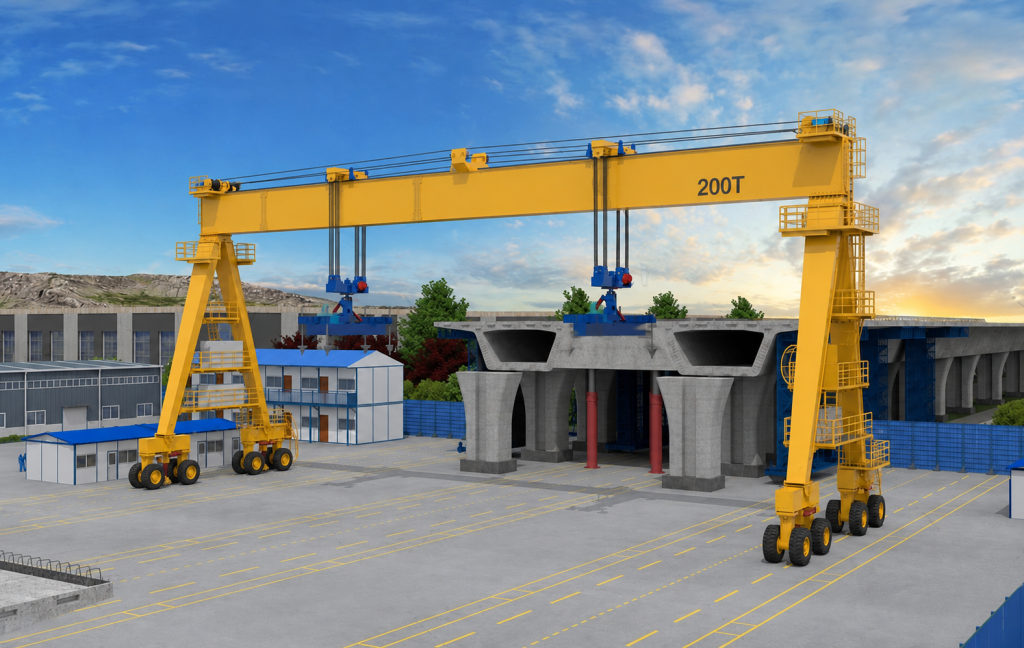
Warehouse Gantry Crane Pricing
A warehouse gantry crane typically costs less than cranes used in heavy industrial applications.
Warehouse projects often prioritize:
- Moderate capacities
- Cost efficiency
- Ease of operation
- Flexible material handling
Typical warehouse crane projects frequently involve:
- Single girder systems
- Portable configurations
- Lower-capacity installations
These solutions often provide excellent value while meeting operational requirements.
Single Girder Gantry Crane Cost Breakdown
The popularity of the single girder gantry crane stems from its balance of performance and affordability.
Typical pricing factors include:
Capacity
Higher capacities require stronger structural components.
Span
Longer spans increase steel requirements.
Lift Height
Additional lifting height may increase hoist costs.
Duty Cycle
More demanding applications require upgraded components.
Single girder systems remain one of the most cost-effective industrial crane solutions available.
Double Girder Gantry Crane Cost Breakdown
The double girder gantry crane is designed for heavy-duty applications.
These cranes offer:
- Greater lifting capacity
- Higher lift heights
- Improved durability
- Enhanced performance
However, these benefits also increase project costs.
Double girder systems often represent the preferred solution for:
- Steel plants
- Shipyards
- Heavy manufacturing
- Infrastructure projects
Organizations requiring maximum performance frequently choose double girder designs despite higher initial investments.
Industrial Gantry Crane Cost by Industry
Different industries have different cost expectations.
Manufacturing
Manufacturing facilities often require cranes capable of continuous operation.
Warehousing
Warehouse operations typically prioritize efficiency and moderate capacities.
Construction
Construction applications may require mobile or temporary crane systems.
Steel Production
Steel mills often require extremely high-capacity cranes.
Shipbuilding
Shipyards frequently use large custom-engineered systems.
These industry-specific requirements significantly influence industrial gantry crane cost.
How Much Does a Portable Gantry Crane Cost?
A common question from smaller businesses is how much does a portable gantry crane cost.
Portable cranes are among the most affordable options available.
Typical pricing may range from:
- $2,000
- $5,000
- $10,000
- $15,000+
Portable systems offer:
- Easy relocation
- Lower installation requirements
- Flexible operation
These advantages make them popular among maintenance teams and smaller facilities.
Common Pricing Mistakes Buyers Make
Many organizations make avoidable mistakes when evaluating crane costs.
Common errors include:
Focusing Only on Purchase Price
Long-term operating costs often matter more.
Ignoring Maintenance Requirements
Maintenance can significantly impact ownership costs.
Underestimating Installation Expenses
Installation can represent a substantial portion of project budgets.
Choosing Insufficient Capacity
Under-sized equipment may limit productivity and require future replacement.
Avoiding these mistakes helps maximize investment value.
Crane Maintenance Cost Considerations
An often-overlooked factor is crane maintenance cost.
Routine maintenance typically includes:
- Lubrication
- Inspections
- Component replacement
- Electrical testing
- Load testing
Preventive maintenance helps:
- Reduce downtime
- Improve safety
- Extend equipment lifespan
Organizations should include maintenance expenses in total ownership calculations.
How to Budget for a Gantry Crane Project
When budgeting for a crane project, consider the following categories:
- Equipment cost
- Shipping cost
- Installation cost
- Training cost
- Maintenance cost
- Future upgrades
A comprehensive budget helps prevent unexpected expenses.
The most successful projects are those that evaluate total lifecycle costs rather than focusing solely on acquisition price.
How to Get the Best Gantry Crane Price
Many buyers want to secure the best possible gantry crane price without sacrificing quality.
The key is balancing cost and value.
Request Multiple Quotations
Comparing several suppliers provides a clearer understanding of market pricing.
Define Requirements Clearly
Accurate specifications reduce the risk of unexpected costs later.
Consider Total Ownership Cost
The cheapest crane is not always the most economical option over its lifespan.
Evaluate Service Support
Strong after-sales support can reduce downtime and maintenance expenses.
Focus on Quality
High-quality cranes often deliver better long-term performance and reliability.
Organizations that follow these practices generally achieve better project outcomes.
Should You Buy New or Used Equipment?
Some buyers evaluating how much does a gantry crane cost consider purchasing used equipment.
Both options have advantages and disadvantages.
New Gantry Cranes
Advantages:
- Latest technology
- Manufacturer warranty
- Better reliability
- Full customization options
Disadvantages:
- Higher upfront investment
Used Gantry Cranes
Advantages:
- Lower purchase cost
- Faster availability
Disadvantages:
- Unknown service history
- Potential repair requirements
- Limited warranty support
For most industrial applications, new equipment provides greater long-term value and reliability.
Cost Comparison by Crane Capacity
Understanding gantry crane cost per ton capacity helps buyers estimate project budgets.
5-Ton Gantry Crane
Often used in warehouses and workshops.
10-Ton Gantry Crane
Popular in manufacturing and fabrication environments.
20-Ton Gantry Crane
Common in industrial production facilities.
50-Ton Gantry Crane
Frequently used in heavy manufacturing and infrastructure projects.
100-Ton Gantry Crane and Above
Typically found in shipyards, steel mills, and major industrial facilities.
As lifting capacity increases, engineering complexity and component requirements also increase.
Why Crane Capacity Matters
The relationship between crane lifting capacity and project cost is significant.
Higher capacities require:
- Stronger structures
- More powerful hoists
- Larger motors
- Enhanced safety systems
Choosing the correct capacity is essential.
Underestimating requirements can limit productivity.
Overestimating requirements may result in unnecessary expenses.
Professional engineering support helps ensure accurate capacity selection.
Material Handling Equipment Investment Strategy
A gantry crane should be viewed as part of a broader material handling equipment strategy.
Successful organizations evaluate how the crane will interact with:
- Production lines
- Storage systems
- Logistics operations
- Safety procedures
- Future expansion plans
The right crane can improve workflow throughout the facility.
This broader perspective helps justify investment costs.
Heavy Lifting Equipment and Productivity
As a form of heavy lifting equipment, gantry cranes play a critical role in operational efficiency.
Benefits include:
- Faster material movement
- Reduced labor requirements
- Improved workplace safety
- Better load control
- Enhanced productivity
These advantages often generate measurable financial returns.
Facilities with frequent lifting operations typically recover crane investments through operational improvements.
Industrial Crane Systems and Future Growth
Modern industrial crane systems should support long-term business objectives.
When selecting equipment, organizations should consider:
Future Capacity Needs
Production growth may increase lifting requirements.
Facility Expansion
Additional workspace may require larger crane coverage.
Automation Opportunities
Future automation can improve efficiency.
Regulatory Compliance
Safety standards may evolve over time.
Planning ahead helps maximize investment value.
How Nybon Machinery Helps Reduce Project Costs
At nybonmachinery, we understand that buyers evaluating how much does a gantry crane cost need more than a simple quotation.
Our team works closely with customers to:
- Analyze operational requirements
- Optimize crane specifications
- Reduce unnecessary costs
- Improve productivity
- Enhance safety
By selecting the right configuration, businesses can achieve better performance without overspending.
Our engineering approach focuses on long-term value rather than short-term pricing alone.
Questions to Ask Before Purchasing
Before deciding to buy gantry crane equipment, ask the following questions:
What Capacity Is Required?
Accurate capacity planning prevents future limitations.
What Is the Operating Environment?
Indoor and outdoor conditions influence crane design.
How Frequently Will the Crane Operate?
Duty cycle affects component selection.
Is Future Expansion Planned?
Scalable solutions support long-term growth.
What Level of Automation Is Needed?
Advanced controls may improve efficiency.
Answering these questions helps ensure the correct solution is selected.
Signs You Need a Gantry Crane
Many organizations delay investments because they are uncertain whether a crane is necessary.
Common signs include:
- Frequent manual lifting
- Material handling bottlenecks
- Safety concerns
- Production delays
- Increasing labor costs
If these issues are affecting operations, a gantry crane may provide substantial benefits.
Choosing Between Standard and Custom Systems
Many projects can use standard crane designs.
However, some applications require customized solutions.
Standard Systems
Benefits include:
- Lower costs
- Faster delivery
- Proven designs
Custom Systems
Benefits include:
- Tailored performance
- Specialized capabilities
- Improved workflow integration
Although custom gantry crane pricing is generally higher, custom solutions often deliver superior operational results.
Final Thoughts
For organizations researching how much does a gantry crane cost, the answer depends on far more than the equipment itself. Factors such as lifting capacity, span, lift height, duty cycle, installation requirements, customization options, and maintenance expectations all influence total project costs.
Throughout this guide, we explored gantry crane cost, gantry crane pricing, installation expenses, maintenance considerations, and the factors that affect long-term ownership costs. We also examined how crane type, capacity, and industry requirements influence investment levels.
Whether you need a small warehouse gantry crane, a single girder gantry crane, a double girder gantry crane, or a fully customized industrial solution, the key is selecting equipment that aligns with your operational objectives.
At nybonmachinery, we help businesses evaluate requirements, optimize specifications, and implement lifting solutions that provide long-term value. Our goal is to help customers make informed decisions while maximizing productivity, safety, and return on investment.
If you are considering a new crane project, remember that the lowest purchase price does not always provide the best value. The most successful investments focus on reliability, performance, efficiency, and long-term ownership costs.
By carefully evaluating project requirements and working with experienced professionals, businesses can confidently invest in gantry crane systems that support growth and operational success for many years to come.
Frequently Asked Questions
How much does a gantry crane cost?
How much does a gantry crane cost depends on capacity, span, lift height, duty cycle, and customization requirements. Prices can range from a few thousand dollars for portable systems to several million dollars for heavy-duty custom installations.
How much does an industrial gantry crane cost?
How much does an industrial gantry crane cost typically ranges from $50,000 to several hundred thousand dollars depending on project specifications and operational requirements.
How much does a portable gantry crane cost?
How much a portable gantry crane cost often ranges from approximately $2,000 to $15,000 depending on capacity, size, and configuration.
What affects gantry crane pricing the most?
The most important factors include lifting capacity, span length, lift height, duty cycle, automation features, installation requirements, and customization needs.
Are gantry cranes worth the investment?
Yes. Many businesses achieve significant productivity improvements, reduced labor costs, improved safety, and better material handling efficiency after installing gantry crane systems.

