A gate hoist is a mechanical or electromechanical lifting device designed to raise, lower and hold sluice gates, spillway gates, and intake gates in dams, canals and hydropower stations. It controls the movement of water by adjusting the gate opening, making it an essential part of water regulation, flood management and hydropower generation systems.
In hydropower projects, gate hoists are installed at water intakes, spillways and outlet structures to control water entering or leaving the system. They help regulate the flow supplied to turbines, manage reservoir water levels, release excess water during floods and shut off water passages during emergencies or maintenance. Depending on gate size, water pressure and operating requirements, projects may use electric rope drum hoists, screw hoists, hydraulic hoists or gantry-mounted lifting systems.
This guide explains how gate hoists work, their main types, key components and the factors to consider when selecting the right lifting equipment for a hydropower project.
What a Gate Hoist Does
Gates block or release water. A gate hoist moves the gate along its guides to the set opening. In a dam it may need to lift a very heavy gate against water pressure and friction. In a canal, it may only need small adjustments many times a day.
- Opens and closes spillway, intake, and sluice gates
- Holds the gate at the set opening
- Responds to flood alerts and release schedules
- Lowers the gate fully in an emergency
A. Gate Hoist Components and Working Mechanism
Explain the major components:
- Electric motor
- Gearbox and transmission system
- Wire rope or lifting screw
- Hoist drum
- Braking system
- Control panel
- Limit switches
- Supporting frame
Also explain how these components work together to raise and lower the gate.
B. Gate Hoist vs. Overhead Crane: What’s the Difference?
This is a useful section for connecting your existing hydropower crane content.
| Feature | Gate Hoist | Overhead Crane |
|---|---|---|
| Main purpose | Raises and lowers water gates | Lifts equipment and materials |
| Application | Dams, canals, water intakes | Hydropower powerhouse |
| Movement | Usually vertical | Horizontal and vertical |
| Main load | Sluice or spillway gates | Turbines, generators and machinery |
C. Gate Hoist Lifting Capacity and Technical Specifications
Explain the main engineering parameters buyers should consider:
- Rated lifting capacity (tons)
- Lifting height (meters)
- Lifting speed (m/min)
- Motor power (kW)
- Working duty classification
- Power supply requirements
- Control system
You can also add a technical specification table, but only include actual Nybon product specifications if available.
D. Common Gate Hoist Problems and Solutions
This is a valuable opportunity to add practical expertise.
| Common problem | Possible cause | Recommended action |
|---|---|---|
| Slow lifting | Motor or gearbox issue | Inspect drive system |
| Wire rope wear | Poor lubrication or corrosion | Inspect and replace when necessary |
| Gate movement obstruction | Debris or guide friction | Inspect gate guides |
| Hoist stops unexpectedly | Limit switch or electrical fault | Check control system |
| Excessive vibration | Misalignment or worn components | Inspect mechanical connections |
Main Types of Gate Hoist
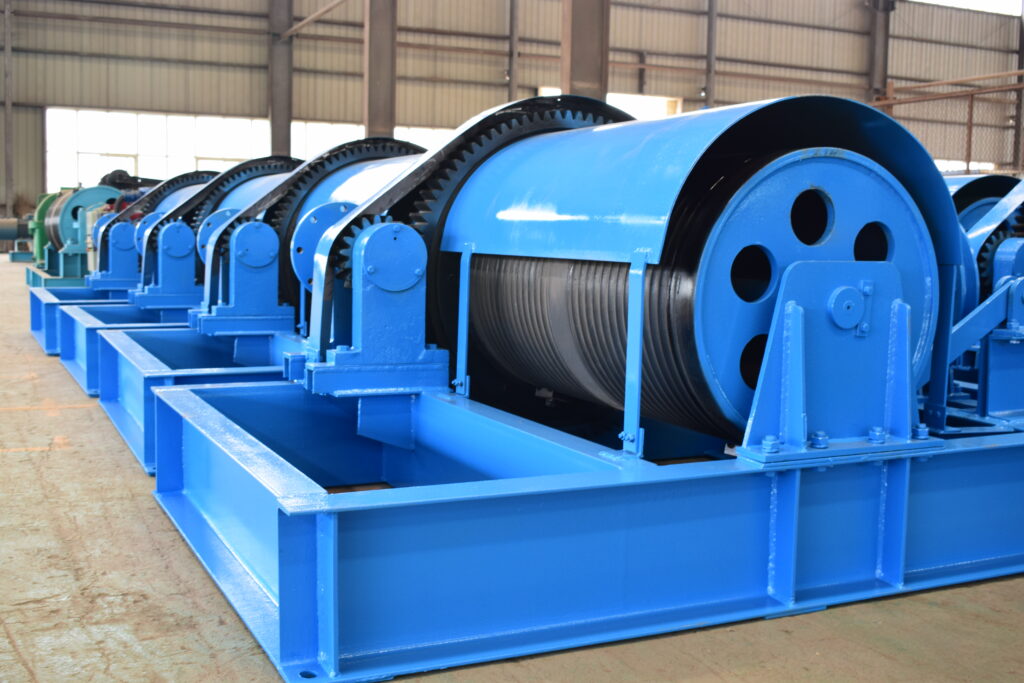
- Rope drum hoist: a motor drives a drum that winds a wire rope attached to the gate. It suits large vertical gates with long travel.
- Screw hoist: a rotating screw raises and lowers the gate stem. It suits small and medium gates and holds position well. Manual and electric versions exist.
- Hydraulic hoist: a cylinder pushes or pulls the gate. It gives smooth, slow movement and suits gates that need strong, steady force.
- Gantry hoist: a gantry crane on the dam crest serves several gates in turn, lifting each as needed. It can also lift stoplogs and trash racks.
Key Features
- Corrosion protection. Paint, galvanizing or stainless parts handle wet conditions.
- Position indicator. It shows the opening, so the operator can set the gate accurately.
- Limit switches and load limiter. They stop the hoist at the end of travel and guard against jams and ice.
- Manual override. A hand drive or backup power keeps the gate working in a power cut.
- Sealed motor and electrics. They resist moisture and dust.
- Cold weather design. Heaters or low-temperature grease help in winter operation.
How to Choose a Gate Hoist
- Gate weight, water head and friction load
- Travel distance and opening speed
- Gate type, such as vertical lift or radial
- Operating frequency, from daily changes to rare flood use
- Power supply and control method, local or remote
- Weather, water quality and corrosion risk
Nybon Machinery supplies gate hoists and cranes for hydropower projects, and the team can match the hoist type to your gate data. Send your gate weight, head and travel through the contact page.
Maintenance Points
- Lubricate rope, screw and bearings on schedule
- Check wire rope for broken strands and corrosion
- Test limit switches and brakes
- Move rarely used gates now and then, so they do not seize
- Inspect seals, guides and frame for wear
Gate Hoists and Powerhouse Cranes
Gate hoists handle the water side of a station. Inside the powerhouse, a hydropower turbine overhead crane lifts the turbine and generator. A gate hoist is also one of many types of hoist used in industry.
FAQs
What is a gate hoist?
It is a lifting machine that opens and closes a sluice or spillway gate to control water flow.
What types of gate hoist are there?
The main types are rope drum, screw, hydraulic and gantry hoists. The right choice depends on gate size, travel and duty.
How does a gate hoist work in a power cut?
Many units include a manual drive or backup power, so the gate can still move.
How often should a gate hoist be inspected?
Set regular checks for rope, brakes, limit switches and lubrication, plus extra checks before flood season.