Selecting the right crane system is one of the most important decisions for any industrial facility. Whether you operate a manufacturing plant, warehouse, construction site, shipyard, steel mill, or logistics center, the efficiency of your lifting operations directly affects productivity, safety, and operating costs.
Many facility owners and project managers eventually face the same question: gantry crane vs overhead crane which option is the better choice?
The answer depends on several factors including facility layout, lifting capacity, installation budget, operational requirements, and long-term maintenance needs.
In this comprehensive guide, the experts at nybonmachinery explain the differences, advantages, applications, costs, and selection criteria to help you choose the ideal crane solution for your facility.
Gantry Crane vs Overhead Crane: Understanding the Key Differences
When evaluating gantry crane vs overhead crane, it is important to understand that both systems are designed to lift and move heavy loads efficiently. However, their structural designs and installation requirements differ significantly.
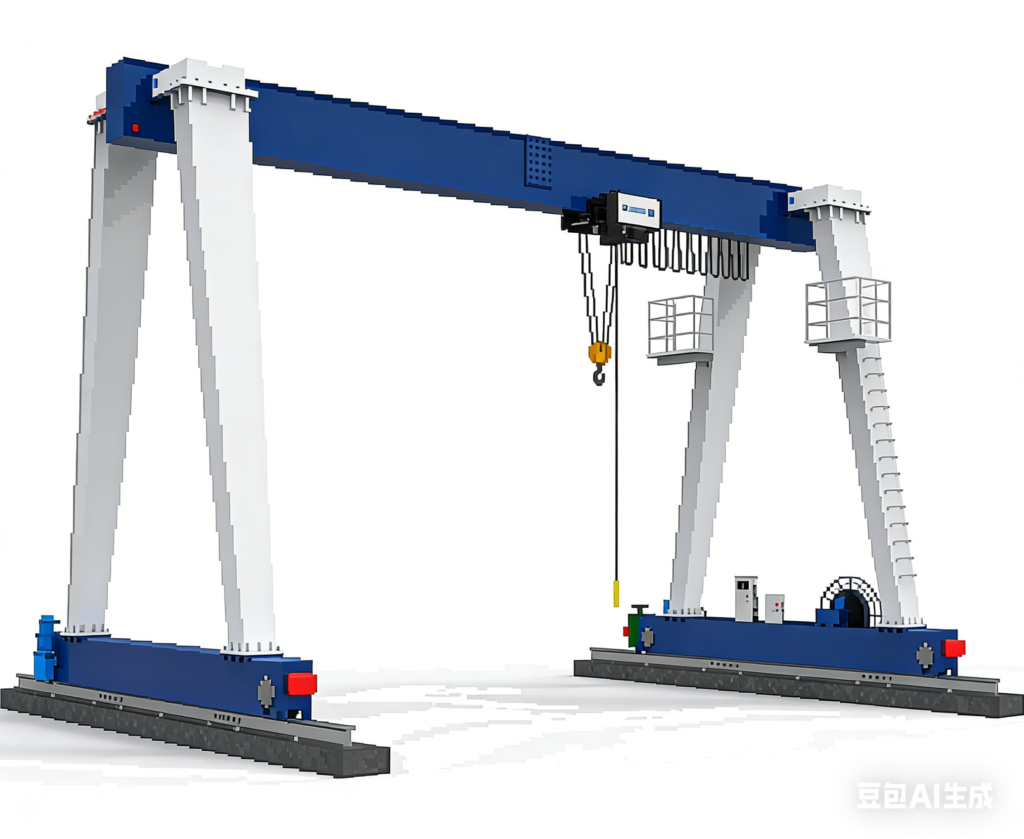
A gantry crane is supported by legs that travel on rails or wheels along the ground. It is a self-supporting structure that does not rely on the building framework.
An overhead crane, sometimes called a bridge crane, operates on elevated runway beams attached to the building structure. The crane travels overhead, leaving the floor space unobstructed.
The primary difference between gantry crane and overhead crane lies in their support structures.
Gantry cranes support themselves.
Overhead cranes rely on the building.
This single difference influences installation costs, operational flexibility, maintenance requirements, and facility design.
What Is a Gantry Crane?
For those asking what a gantry crane is, it is a crane system consisting of a horizontal bridge supported by two or more legs.
The crane moves along rails installed on the ground or on elevated tracks.
Common types include:
- Single girder gantry cranes
- Double girder gantry cranes
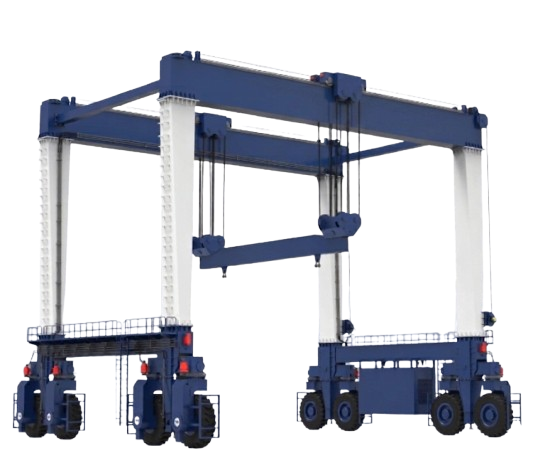
- Rubber tyred gantry cranes
- Rail mounted gantry cranes
- Portable gantry cranes
- Semi-gantry cranes
Many outdoor facilities choose gantry cranes because they can handle large loads without requiring extensive building modifications.
How Gantry Cranes Work
Understanding how gantry cranes work is relatively simple.
The bridge spans the working area.
The trolley moves across the bridge.
The hoist raises and lowers the load.
The entire crane travels along rails or wheels to transport materials.
Because the structure stands independently, gantry cranes can cover large outdoor areas efficiently.
What Is an Overhead Crane?
If you are wondering what an overhead crane is, it is a crane system mounted on elevated runway beams attached to the building structure.
These cranes are common in factories, warehouses, assembly facilities, and production plants.
Typical types include:
- Single girder overhead cranes
- Double girder overhead cranes
- Top running cranes
- Under running cranes
- Bridge cranes
Many manufacturers prefer overhead cranes because they maximize floor space while providing efficient material handling.
How Overhead Cranes Work
To understand how overhead cranes work, imagine a bridge suspended above the workspace.
The crane moves along elevated runway beams.
The trolley travels across the bridge.
The hoist lifts and transports loads across the facility.
Because the system operates overhead, equipment, vehicles, and personnel can continue using the floor area below.
Gantry Crane Comparison: Advantages and Limitations
A proper gantry crane comparison begins with understanding the strengths of these systems.
Gantry Crane Advantages
The main gantry crane advantages include:
- Lower building requirements
- Suitable for outdoor applications
- Easy relocation options
- Ideal for temporary projects
- Large working coverage
- Excellent for oversized loads
A major benefit is that the crane does not require structural support from the facility.
This makes it attractive for outdoor yards and construction projects.
Common Gantry Crane Applications
Popular gantry crane applications include:
- Container terminals
- Construction sites
- Shipyards
- Railway yards
- Precast concrete facilities
- Steel fabrication yards
Examples of construction site gantry crane projects include bridge construction and infrastructure development.
Similarly, shipyard gantry cranes are frequently used for vessel assembly and maintenance.
Gantry Crane Limitations
Potential drawbacks include:
- Occupies floor space
- Ground rail installation may be required
- Weather exposure outdoors
- Potential obstruction to vehicle traffic
Overhead Crane Comparison: Advantages and Limitations
An effective overhead crane comparison highlights why these systems dominate many indoor facilities.
Overhead Crane Advantages
Key overhead crane advantages include:
- Maximum floor utilization
- Efficient workflow
- High lifting capacities
- Better indoor operation
- Reduced ground-level obstacles
- Improved safety in controlled environments
Many industrial facilities choose overhead cranes because they free up valuable floor space.
Common Overhead Crane Applications
Typical overhead crane applications include:
- Manufacturing plants
- Warehouses
- Automotive facilities
- Steel mills
- Fabrication workshops
- Distribution centers
Examples include:
- factory overhead crane systems
- warehouse overhead lifting systems
- steel mill crane systems
- manufacturing material handling equipment
Overhead Crane Limitations
Possible disadvantages include:
- Higher structural requirements
- Building reinforcement may be needed
- More complex installation
- Less mobility than gantry systems
Gantry Crane vs Bridge Crane and Overhead Crane vs Bridge Crane
Many people ask about gantry crane vs bridge crane and overhead crane vs bridge crane.
The term “bridge crane” generally refers to an overhead crane.
Therefore:
Overhead crane = bridge crane
Gantry crane = bridge structure supported by legs
The key distinction remains whether the crane relies on building support or its own legs.
Crane Lifting Capacity Comparison
A detailed crane lifting capacity comparison reveals that both systems can handle substantial loads.
Modern gantry cranes commonly range from:
- 1 ton
- 5 tons
- 20 tons
- 100 tons
- 500 tons and above
Overhead cranes can also support similar capacities depending on facility design.
In terms of pure lifting power, neither system automatically wins.
The determining factor is the specific application and facility structure.
Gantry Crane vs Overhead Crane Cost Comparison
One of the most important considerations is gantry crane vs overhead crane cost comparison.
Gantry Crane Cost Factors
Typical gantry crane cost depends on:
- Capacity
- Span
- Lift height
- Duty cycle
- Rail requirements
- Automation features
Many outdoor projects find gantry cranes more affordable because building modifications are unnecessary.
Overhead Crane Cost Factors
The overhead crane cost often includes:
- Crane equipment
- Runway beams
- Structural reinforcement
- Electrical systems
- Installation labor
Additional costs may arise from overhead crane installation cost requirements.
Gantry Crane Price Comparison
A thorough gantry crane price comparison should evaluate:
- Initial purchase
- Installation
- Maintenance
- Building modifications
- Long-term operation
The cheapest option upfront is not always the most economical long term.
Gantry Crane vs Overhead Crane for Warehouses
When discussing gantry crane vs overhead crane for warehouses, overhead systems usually have the advantage.
Warehouses benefit from:
- Unobstructed floor space
- Better storage utilization
- Improved forklift traffic
- Efficient inventory handling
Many modern warehouse crane solutions rely on overhead systems for these reasons.
However, outdoor storage yards may benefit from gantry cranes.
Gantry Crane vs Overhead Crane for Manufacturing
The debate over gantry crane vs overhead crane for manufacturing often favors overhead cranes.
Manufacturing plants require:
- Continuous workflow
- Maximum floor utilization
- Reliable production support
This makes overhead systems ideal for many crane systems for manufacturing plants.
However, large fabrication yards and outdoor assembly operations often prefer gantry cranes.
When to Use a Gantry Crane
Knowing when to use a gantry crane can prevent costly mistakes.
Choose a gantry crane when:
- Outdoor operation is required
- Building support is unavailable
- Temporary lifting solutions are needed
- Large work areas must be covered
- Port or shipyard operations are involved
Examples include:
- port gantry crane applications
- Infrastructure projects
- Shipbuilding operations
When to Use an Overhead Crane
Understanding when to use an overhead crane helps optimize facility efficiency.
Choose an overhead crane when:
- Indoor operation is required
- Floor space is valuable
- Production efficiency is critical
- Long-term installation is planned
- Building structure can support the crane
This explains why many factories choose overhead systems.
Advantages of Gantry Crane Over Overhead Crane
There are situations where the advantages of gantry crane over overhead crane become obvious.
These include:
- Outdoor flexibility
- Lower building requirements
- Easy relocation
- Temporary project suitability
- Large-span coverage
For construction and shipyard environments, gantry cranes often outperform overhead systems.
Overhead Crane Benefits for Industrial Facilities
The major overhead crane benefits for industrial facilities include:
- Better workflow
- Efficient floor utilization
- Enhanced productivity
- Lower traffic interference
- Improved facility organization
These benefits explain the popularity of overhead systems in manufacturing environments.
Crane Maintenance Requirements
Understanding crane maintenance requirements is essential for both crane types.
Regular maintenance includes:
- Wire rope inspections
- Hoist checks
- Brake testing
- Structural inspections
- Lubrication
- Electrical system verification
Proper maintenance improves safety and extends equipment lifespan.
Crane Safety Features
Modern crane safety features help reduce operational risks.
Common features include:
- Overload protection
- Emergency stop systems
- Limit switches
- Anti-collision devices
- Load monitoring systems
- Remote controls
Safety should always be a primary consideration when selecting lifting equipment.
Crane Operation Guide: Best Practices
A basic crane operation guide includes:
- Follow load ratings
- Conduct daily inspections
- Train operators properly
- Maintain clear travel paths
- Monitor weather conditions
- Perform scheduled maintenance
These practices improve both safety and productivity.
How to Choose the Best Crane for Your Facility
If you are still deciding between gantry crane vs overhead crane which is better, consider the following questions:
Is the application indoors or outdoors?
Outdoor operations often favor gantry cranes.
Indoor operations often favor overhead cranes.
How much floor space is available?
Limited floor space generally favors overhead systems.
What is the expected load capacity?
Both systems can handle heavy loads when properly designed.
Is future relocation necessary?
Gantry cranes offer greater flexibility.
What is the installation budget?
Evaluate equipment costs and infrastructure requirements.
A complete crane selection guide should consider all these factors.
Choosing Between Gantry and Overhead Cranes
Ultimately, choosing between gantry and overhead cranes requires balancing:
- Budget
- Facility design
- Operational goals
- Maintenance considerations
- Future expansion plans
Experienced crane equipment suppliers such as nybonmachinery can help evaluate project requirements and recommend suitable solutions.
Many facilities also benefit from custom crane systems tailored to their specific workflows.
The best choice is not necessarily the most expensive system but the one that delivers the highest efficiency and long-term value.
Final Thoughts
When evaluating gantry crane vs overhead crane, there is no universal winner. Each system serves different operational needs and facility layouts.
Gantry cranes excel in outdoor environments, construction projects, shipyards, and large open workspaces. Their flexibility and self-supporting structure make them ideal for applications where building support is unavailable.
Overhead cranes shine in factories, warehouses, and production facilities where maximizing floor space and improving workflow are top priorities.
The best solution depends on your lifting requirements, facility design, budget, and future growth plans. Working with experienced providers like nybonmachinery ensures you receive expert guidance, reliable equipment, and customized lifting solutions designed for long-term success.
Whether you need industrial crane solutions, advanced material handling crane systems, or fully engineered industrial lifting equipment, selecting the right crane today will help improve efficiency, safety, and productivity for years to come.
Frequently Asked Questions
What is the main difference between a gantry crane and an overhead crane?
The primary difference is support structure. Gantry cranes are supported by legs on the ground, while overhead cranes are supported by runway beams attached to a building.
Which crane is better for warehouses?
In most cases, overhead cranes are preferred because they maximize floor space and improve operational efficiency.
Are gantry cranes cheaper than overhead cranes?
Not always. Costs depend on capacity, span, installation requirements, and facility conditions.
Can gantry cranes be used indoors?
Yes. Portable and semi-gantry cranes are commonly used indoors for specific lifting tasks.
Which crane is best for manufacturing plants?
Most manufacturing facilities benefit from overhead crane systems because they support continuous production while keeping the floor area clear.