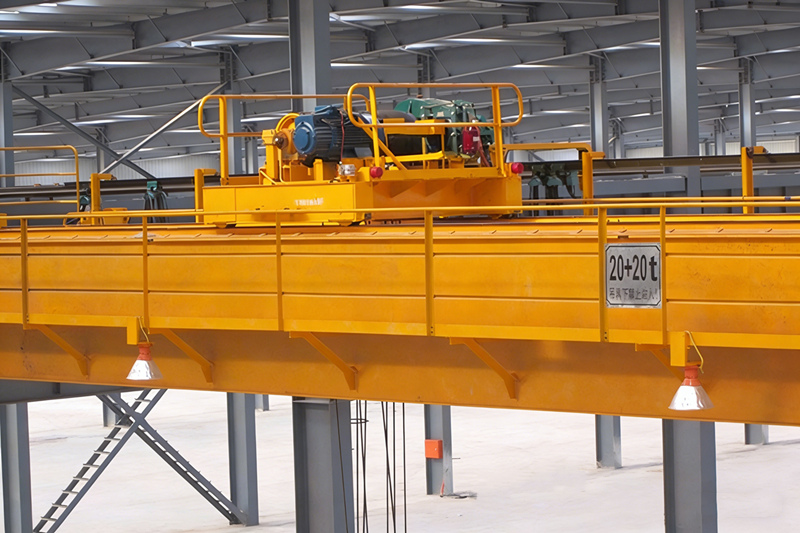
A hydropower turbine overhead crane is the main lifting machine inside a powerhouse. It is one of the heavier overhead crane types, usually built as a double girder overhead crane, because the loads are heavy and the hook needs steady, precise control. It lifts turbine runners, generator rotors, stators, shafts and head covers during installation and every major overhaul.
This guide explains what the crane does, which features matter in a powerhouse, and how to choose the right one. It is written for station owners, EPC teams and maintenance planners.
What a Hydropower Turbine Overhead Crane Does
The crane works in two stages of a plant’s life. During construction, it installs the turbine and generator units piece by piece. After commissioning, it removes parts for inspection, repair and replacement.
A powerhouse crane may stay idle for long periods. Then it has to lift a rotor that weighs hundreds of tons and place it with almost no clearance. For this reason, reliability and control count for more than lifting speed.
Parts the Crane Has to Handle
- Generator rotor: usually the heaviest single lift, and the load that sets the crane’s rated capacity.
- Turbine runner: heavy, with machined surfaces that cannot take a knock.
- Stator sections, shafts and bearings: awkward shapes that need careful rigging.
- Head cover, bottom ring and draft tube parts: lifted during overhaul and rebuild work.
Features That Matter in a Powerhouse
Not every crane feature carries equal weight here. These are the ones that decide whether a lift goes smoothly.
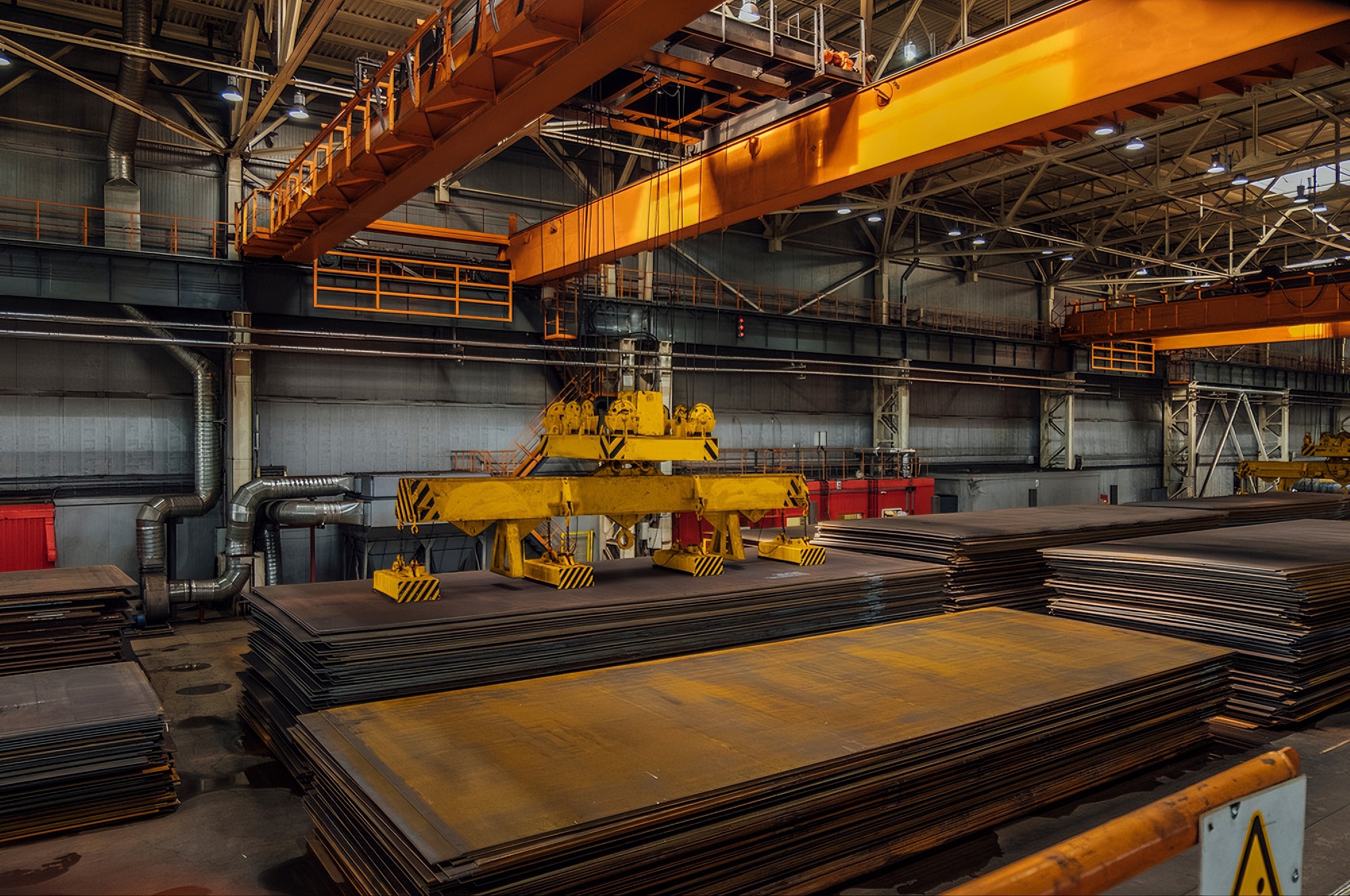
- Micro speed control. A frequency converter lets the hook creep at a very low speed, so the rotor can enter the stator bore without contact.
- Main and auxiliary hooks. The main hook carries the rotor or runner. The auxiliary hook handles lighter parts and rigging work.
- Tandem operation. Two cranes can share one load through a balancing beam. This needs synchronized control and a lift plan agreed in advance.
- Dual brakes on the hoist. Two independent brakes keep the load held if one fails.
- Overload limiter and limit switches. They stop the hook before it passes its safe load or travel range.
- Clear operator view. A well placed cabin or a remote control lets the operator watch the fit up while the part goes into place.
Duty Class and Standards
Powerhouse cranes lift rarely, but the loads are very heavy. Under GB/T 3811 they often fall in light duty classes such as A3 or A4. The A1 to A8 scale rates how often and how heavily a crane works. GB 6067 sets the safety rules for lifting appliances. Buyers who work with FEM 1.001 can map the class to the matching FEM group.
A low duty class does not mean a light build. Structure, hoist and brakes are sized for the heaviest lift, not for cycle count.
Commissioning and Safety Checks
Before the first rotor lift, the crane should pass a full set of checks. Common steps include a static load test at 125 percent of rated load and a dynamic test at 110 percent. Test the brakes, limit switches and overload limiter. If two cranes will lift together, test the synchronization too.
Rail alignment and runway condition also matter, so overhead crane installation checks belong in the project plan. Older stations often choose overhead crane modernization over a full replacement, because a new drive and control system can add micro speed to an existing crane.
How to Choose a Hydropower Turbine Overhead Crane
Prepare these details before you ask for a quote.
- Heaviest lift, including the lifting beam and rigging weight
- Span, hook height and runway length of the powerhouse
- Number of generating units and whether tandem lifting is planned
- Required creep speed and control method
- Power supply voltage and site conditions
- Installation schedule and commissioning support
Nybon Machinery builds double girder overhead cranes for hydropower stations. The team can set the hooks, speed control and span around your unit layout. You can send your lift data through the contact page.
Other Lifting Equipment in a Hydropower Station
A turbine crane is only one machine on site. Water control gates use a gate hoist, which is a different machine built for the water side.
FAQs
What is a hydropower turbine overhead crane?
It is a double girder bridge crane installed in a powerhouse to lift and place turbine and generator parts. It works during installation and during every later overhaul.
How much weight can a powerhouse crane lift?
Capacity follows the heaviest part, which is usually the generator rotor. Ratings range from tens of tons to several hundred tons, depending on unit size.
Why does a turbine crane need slow lifting speed?
Rotors and runners fit with very small clearances. A creep speed lets the operator place them without damaging machined surfaces.
Can two cranes lift one load together?
Yes. A balancing beam and synchronized control let two cranes share a load. The lift needs a written plan and a trial run.